Air clean up
Published over 9 years ago. See the latest and most current information on Air clean up.
Of the many ills arising from the ongoing conflict in the Middle East, pollution is not one of the more talked-about consequences of the fall-out. But though ISIS have been flushed out of the northern city of Mosul in Iraq, they have left behind a grim kind of legacy.
In retreat from Iraqi forces, ISIS troops have burned 12 oil wells which continue to spew out foul toxic fumes and emit immense amounts of pollutants into the atmosphere. As a result, Mosul and its surrounding environs are currently the most contaminated places on Earth.
Much of the headlines regarding environmental pollution have been occupied by New Delhi at the moment, with the city suffering from critical levels of pollution in the wake of the Diwali festival. The Hindu celebration of lights involves the release of many thousands of fireworks, which in turn release dust and soot into the air.
Delhi already endures a concerning concentration of nitrogen oxides (NOx) due to the inordinate amount of passenger vehicles in the city. However, this latest event also brought up levels of particulate matter 2.5 (PM2.5) to 15 times the norm and almost 90 times the recommended “safe” level as determined by the World Health Organisation (WHO).
As a result, citizens of the city have seen the incidence of respiratory ailments rise by as much as 60% and all schools across town were closed for several days at the beginning of November. While the causes of the problem in Mosul are vastly different, the outcome is not too dissimilar.
While the Delhi pollution has been worsened by a celebratory festival, the situation in Mosul was brought about by altogether darker reasons which show how war can have a hugely negative impact on the environment. As ISIS forces fled from Iraqi government troops, they took the decision to burn 12 oil wells under their control to obscure their retreat and prevent airships from dropping bombs.
However, the wells will now not stop burning until either all of their reserves have been depleted or dousing action is taken to curb the pollution. Oxfam have urged the government to attempt explosive dousing as soon as possible to limit the harmful effects on the local populace and on the wider environment as a whole.
“Even after ISIS has left, many of the people living amid its trail of destruction have told us that life remains unbearable,” explained Andres Gonzalez, Oxfam’s local director in Iraq. “Burning oil wells continue to spew out toxic fumes that burn people’s throats and turn their communities into a smoke-filled hell.”
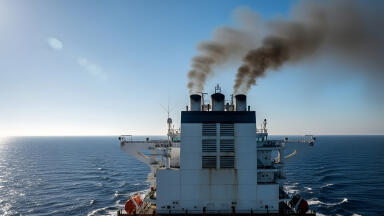
As well as blocking out the sun, the burning of the oil wells has also released an alarming amount of sulphur oxides (SOx) into the air, exponentially increasing the likelihood of residents contracting bronchitis. What’s more, medical supplies and professional relief are in scarce supply in the region, meaning that those exposed to the fumes are even more at risk than normal.


 Product directory
















_shutterstock_2296088597.jpg)