Air clean up
Published over 12 years ago. See the latest and most current information on Air clean up.
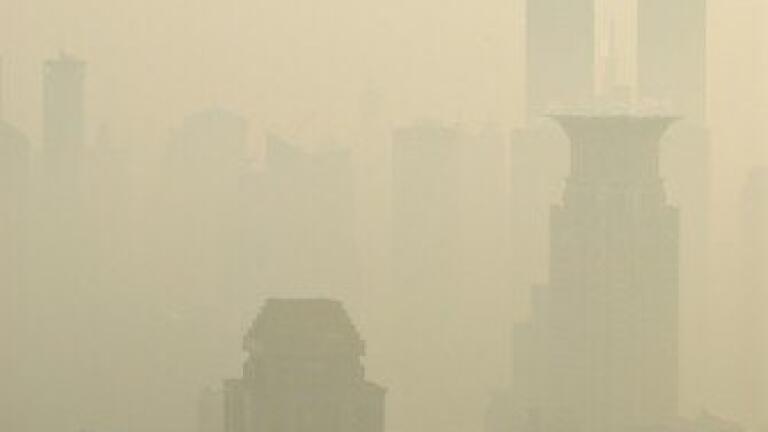
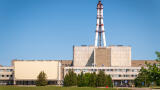
Despite China's commitment to reduce emissions in order to contribute to the fight against climate change, its plans for the creation of 50 coal gasification plants could increase the amount of air pollution the nation pumps into the atmosphere. According to a new report from Greenpeace East Asia, the 50 plants will produce around 1.1 billion tonnes of carbon dioxide every year, which will be incredibly damaging to the environment and human health.
The nation has developed the plans for gasification plants in an attempt to combat the high levels of emissions created by coal-fired power plants within its cities. However, the development of the new plants will effectively shift the high-polluting areas further north-west, while also continuing to create large quantities of carbon dioxide gas, according to the organisation.
If all of the planned plants are constructed, together they will produce around an eighth of the nation's current total carbon dioxide emissions. Two plants have already been constructed as part of pilot projects to assess the viability of the plans. A further three are under construction, while 16 more have been given permission to start the building process. The rest of the 50 are currently at different stages, said the report.
Since China announced in September 2013 that it would work towards reducing the use of coal in a bid to cut down on emissions, it has been looking into different ways to produce power. The country is predominantly powered by coal-fired plants, which result in highly polluted areas. The gasification plants will replace the coal-fired ones in these areas, which include Tianjin and Beijing.
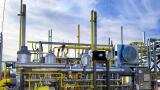
The coal gasification process creates large amounts of carbon dioxide emissions and is also very water-intensive. The process has been heavily criticised as it is believed by many to be worse than simply burning coal in terms of the release of global warming-causing gases.


 Product directory















_shutterstock_2296088597.jpg)