Air clean up
Published over 12 years ago. See the latest and most current information on Air clean up.
It isn't just climate change that is causing a threat to food sources, according to a new study. Researchers at Massachusetts Institute of Technology (MIT) has suggested that a combination of air pollution - particularly ground-level ozone - and rising global temperatures will be most damaging to crops.
A number of studies have suggested that climate change will be the biggest culprit to crops; however, they have largely ignored the threat posed by air pollution. The new study shows that policy makers need to take into account both air quality and global warming when looking at ways to improve food security.
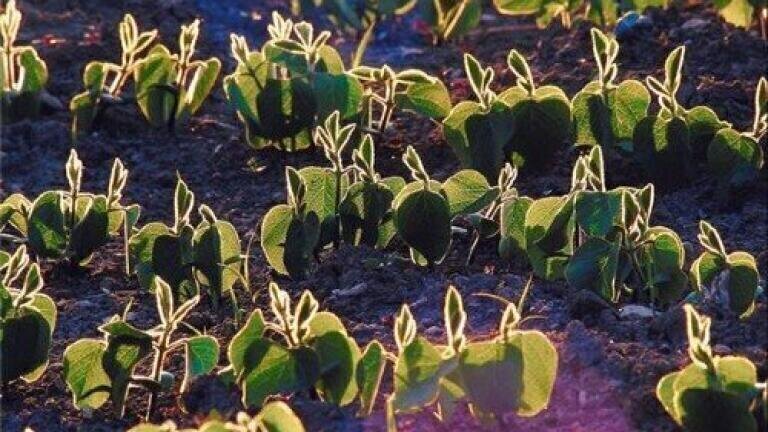
The researchers looked at the effect that air pollution and increased temperatures can have on four of the leading food crops in the world - corn, rice, soy and wheat. These crops account for over 50 per cent of human calories consumed across the world.
They found that each region will likely experience different effects as a result of climate change and air quality, with some crops being more largely affected in some areas due to other factors. The crops' sensitivity to particular pollutions or temperatures - such as corn being more affected by heat, while rice has increased sensitivity to ozone pollution - will also result in different growing patterns.
The research team included Colette Heald, associate professor of civil and environmental engineering (CEE) at MIT, Maria van Martin at Colorado State University and Amos Tai, former CEE postdoc. Their work has been published in the journal of Nature Climate Change.
It was found that the US is likely to experience less impact on crops due to the implementation of strict emissions legislation, which has led to lower concentrations of ground-level ozone. However, other regions may experience a higher impact on crop yields due to domestic air pollution policies not being strict.
The study suggests that, if all over factors are equal, by 2050, global crop yields could fall by around ten per cent due to global warming. However, ozone could result in more complex problems, which means measures to control air pollution could be important to protecting crops.


 Product directory






















_shutterstock_2296088597.jpg)