Waste management
Published over 6 years ago. See the latest and most current information on Waste management.
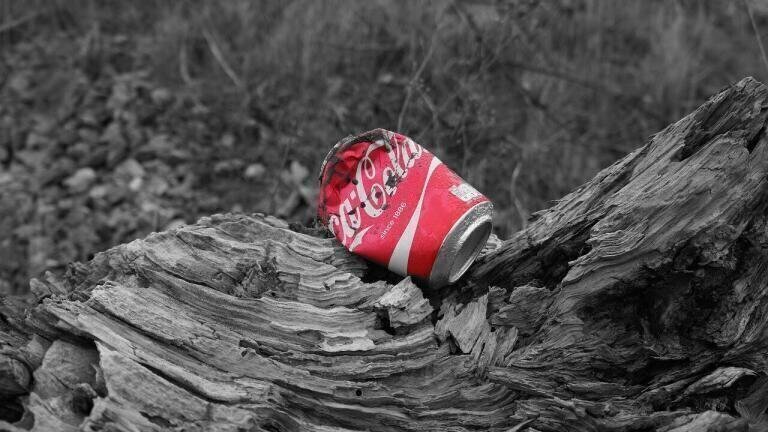
The latest Global Brand Audit Report from Break Free From Plastic has revealed the top 10 most polluting companies in the world. Unsurprisingly, the three biggest offenders were corporate behemoths Coca-Cola, Nestlé and PepsiCo for the second year running, underscoring the fact that despite their purported intentions to clean up their acts, they still spell terrible news for the environment.
After conducting almost 500 clean-up operations in more than 50 countries across the world this September, Break Free From Plastic announced that a significant percentage of the refuse it had collected could be traced back to just a few multinational corporations. The report called on the companies in question to stop paying mere lip service to the idea of pollution reduction and actually implement tangible measures geared towards reducing their catastrophic impact on the planet.
During their September drive, Break Free From Plastic organised 484 clean-up incentives in 51 countries, comprising a team of 72,451 volunteers. Over the course of the month, a total of 476,423 pieces of plastic and microplastic, which pose a serious threat to the environment. 43% of the plastic fragments collected were clearly identifiable as belonging to a particular brand, allowing participants to trace them to their source. The results showed the top 10, as follows:
It should be noted that brands were ranked primarily on the widespread nature of their pollution rather than total volume. Therefore, those companies polluting the most countries with the most plastics were ranked above others. Whichever metric is used, it’s clear that the corporations listed have much to answer for in terms of their environmental responsibilities.
The biggest polluter on the list, Coca-Cola, has defended its environmental policy and stated its intention to investigate the issue carefully. Among other initiatives, it pointed to the fact that it is a founding member of the Global Plastic Action Partnership (GPAP), as well as being part of the G7 Ocean Plastics Charter and has announced a target of recovering 100% of its bottles and cans for recycling by 2030.
However, environmentalists have said that firms like Coca-Cola are not tackling the problem at its root cause. Last year, Greenpeace slammed the company for "dodging the main issue" and the latest report provided a further opportunity for them to attack corporations’ limp environmental efforts. “Recent commitments by corporations like Coca-Cola, Nestlé, and PepsiCo to address the crisis, unfortunately, continue to rely on false solutions like replacing plastic with paper or bioplastics and relying more heavily on a broken global recycling system,” said Abigail Aguilar, Greenpeace’s plastic campaign coordinator for southeast Asia.
“These strategies largely protect the outdated throwaway business model that caused the plastic pollution crisis, and will do nothing to prevent these brands from being named the top polluters again in the future.”
 Product directory












-from-Chesterton-House-Farm,-with-Giles-Russell-from-Midland-Slurry-Systems.jpg)





.jpg)
.jpg)