Air clean up
Published over 2 years ago. See the latest and most current information on Air clean up.
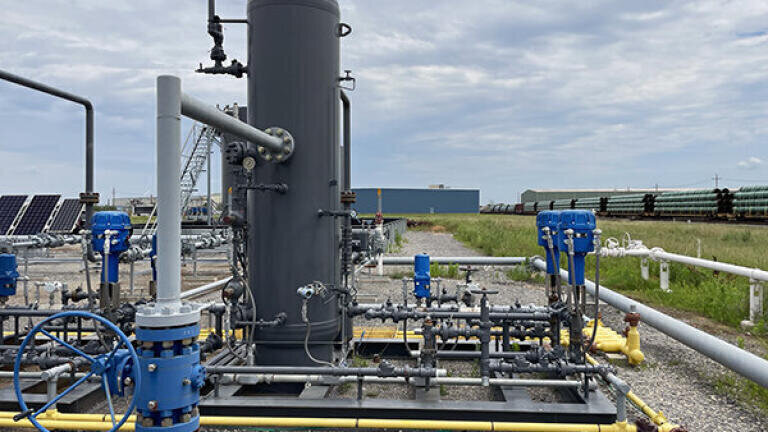
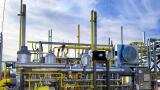
The oil and gas industry is responsible for approximately 80 Mt of methane emissions annually, representing about 40% of methane emissions from human activity. These emissions can be reduced by over 75% with solutions such as leak detection, repair programs, and upgrading leaky equipment. Methane abatement in oil and gas is very cost-effective to achieve. Around 40% of methane emissions could be avoided at no net cost.1
Automation in upstream operations and processes helps reduce emissions while delivering advanced control, lower power consumption, high reliability, and easy field serviceability.
Electric actuators vs. pneumatic actuators
Upstream production process control valves have traditionally been operated by pneumatic diaphragm actuators that use the well-stream gas for their motive power, releasing methane every time the valve is stroked. Electric actuators do not vent during operation.
Servicing a self-contained electric actuator vs. a pneumatic solution with multiple parts and systems also results in cost savings and increased operational efficiency.
Rotork electric actuators, like the intelligent IQ, CMA and CVA process control actuators, feature user-friendly interfaces and software tools that simplify the commissioning process, making them a perfect solution for valve applications.
 Product directory












_shutterstock_2296088597.jpg)

.jpg)
.jpg)