Waste management
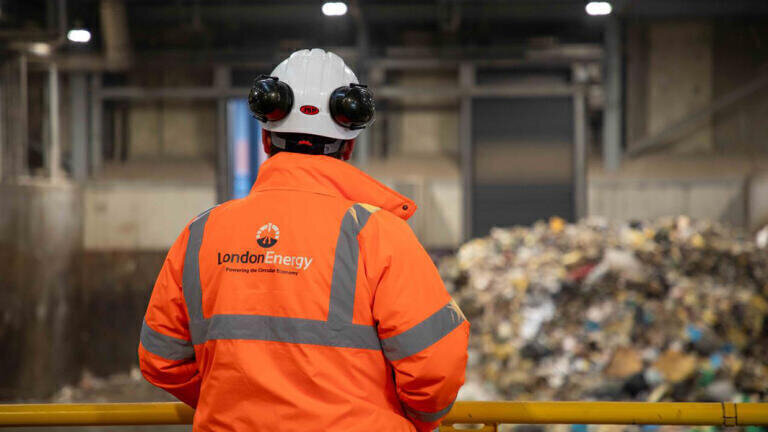
With landfills and wastewater accounting for nearly 20% of global methane emissions, sustainable waste management has become a top environmental priority. In North London, LondonEnergy, owned by the North London Waste Authority (NLWA), is leading the way with a state-of-the-art waste-to-energy initiative at its upgraded EcoPark South facility.
This £1.2 billion investment transforms the way waste is processed—diverting material from landfills, reducing greenhouse gas emissions, and supplying clean heat and electricity to tens of thousands of homes. The EcoPark project forms part of the NLWA’s broader strategy to future-proof the capital’s waste infrastructure and improve energy security.
Clyde Loakes, Chair of NLWA, emphasised the long-term vision behind the investment: “This major investment ensures we have resilient, safe infrastructure to sustainably manage waste for two million residents. Instead of sending waste to landfill or shipping it abroad, we’re turning it into energy—boosting the UK’s energy security.”
The original London EcoPark was built more than 50 years ago. It relied on outdated, manual systems with limited integration and visibility. As the demands of waste processing grew more complex, it became clear that a full digital transformation was needed to bring operations into the 21st century.
To address this, LondonEnergy partnered with engineering systems integrator March and technology distributor SolutionsPT to implement AVEVA System Platform. This solution created a centralised operations centre by integrating SCADA (Supervisory Control and Data Acquisition) with advanced building management system (BMS) capabilities. It brought over 50 disparate subsystems under one unified digital infrastructure.
Ben Kelso, Transition Director at LondonEnergy, said: “The new SCADA system gives our management team full visibility of energy usage, waste and water throughput, fire safety systems, and much more. It’s fundamentally changed the way we manage the site.”
Wayne Ashworth, EU UK Leader at SolutionsPT, added: “With the right integration and support framework, LondonEnergy now benefits from streamlined operations, lower costs, and a more sustainable foundation for the future.”
EcoPark South is the first phase of NLWA’s long-term plan to build a cutting-edge waste management hub in Edmonton. The site features three primary facilities designed to improve environmental performance and public engagement.
The EcoPark House serves as an education and visitor centre, helping residents learn about recycling, renewable energy, and how to reduce their carbon footprint. The Reuse and Recycling Centre (RRC) provides a space where residents can drop off household waste. The Recycling and Fuel Preparation Facility (RFPF) is the core of the site, where waste is sorted for recyclable materials, and the remaining refuse is prepared as fuel for the Energy from Waste (EfW) plant.
The RFPF alone has the capacity to process up to 135,000 tonnes of waste annually, handling over 200 truckloads per day. Waste that would previously go to landfill is now redirected into energy production—helping to reduce emissions and fossil fuel dependency, while lowering energy costs for the local community.
Real-Time Data Powers Safer, Smarter Operations
The implementation of AVEVA System Platform gave LondonEnergy complete visibility over every operational system at EcoPark South. Real-time data now drives decision-making across energy usage, odour management, equipment health, and traffic control within the plant.
The centralised operations centre, known as the “crow’s nest,” allows 24/7 monitoring of all key systems, including waste tipping, roller-shutter doors, integrated ventilation, odour mitigation, wastewater treatment, surface water control, and fire detection.
The new system has also streamlined logistics. Waste trucks entering and exiting the site now complete their trips in just 13 minutes on average—well under the 20-minute target. Energy usage and solar distribution are also continuously monitored and optimised from the control room, reducing operational risk and improving safety across the board.
Maintenance workflows have also improved. With more than 600 monthly work orders processed by just four staff members, automation and proactive alerts have become essential. The system now automatically handles many checks that previously required manual inspection, freeing up valuable time and improving reliability.
In modern waste streams, materials like lithium batteries and vape devices frequently cause fires. Before the digital upgrade, siloed systems and slow manual processes made it difficult to respond effectively. Now, real-time monitoring and automatic fire detection enable immediate response, dramatically improving safety.
Odour control is another critical issue—especially given the facility’s location near residential areas. Previously, responses to odour issues were reactive and driven by complaints. Today, the team uses data to monitor and manage odour proactively, adjusting air-handling units and setting limits on how long facility doors can stay open.
“We’ve had no odour complaints since the facility upgrade,” said Barry Card, RRF Operations Manager at LondonEnergy. “The intuitive design of the SCADA/BMS system made it much easier for our team to manage the new plant and maintain service quality.”
Soon after the new system went live, LondonEnergy identified an unexpected rise in electricity consumption. Analysis revealed that integrated ventilation and odour control systems were drawing excessive power. The team quickly adjusted fan schedules and reduced peak-time usage, cutting energy consumption by 20% and saving approximately £20,000 in the first month alone.
Looking ahead, LondonEnergy expects to recover between £150,000 and £200,000 annually through energy optimisations alone.
Wastewater management has also improved. The new data infrastructure helps monitor fluctuations in flow and treatment performance, preventing blockages and ensuring consistent compliance with discharge limits set by Thames Water. With real-time visibility, the effluent treatment plant now operates more efficiently than ever.




 Product directory














-from-Chesterton-House-Farm,-with-Giles-Russell-from-Midland-Slurry-Systems.jpg)