Waste management
Published over 3 years ago. See the latest and most current information on Waste management.
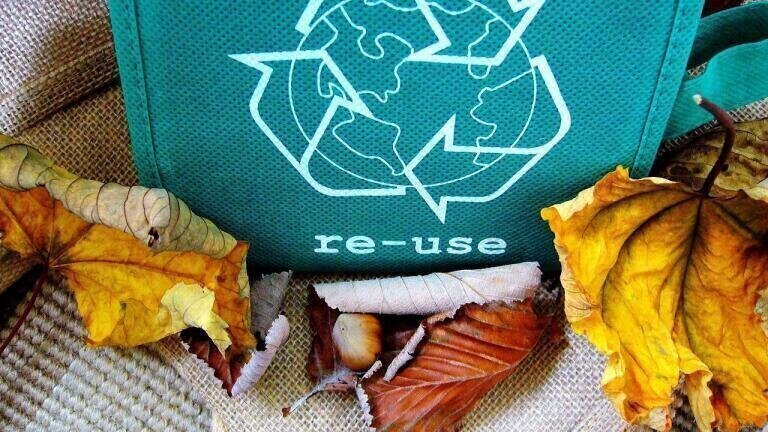
In recent years, recycling has become more and more commonplace across the UK. In fact, the most recent WRAP Recycling Tracker Report found that the vast majority (88%) of British households recycle regularly, while a mere 3% admitted to never recycling at all. So why should that slim minority change their ways and divert their waste from landfill?
There are a wide variety of reasons why recycling makes sense. From helping the nation to achieve its net-zero ambitions to conserving the Earth’s natural resources to saving financially, recycling is a much more prudent course of action than sending waste to landfill. Here’s a rundown of the most powerful reasons for making the switch today.
Every product that is manufactured and sold today consumes resources to make it, whether they be trees, oil, sand, water or precious minerals and metals. If an item is sent to landfill, those resources are lost forever. However, if it is recycled, they can be repurposed and given a new lease of life. This means that fewer trees have to be chopped down, less fossil fuels have to be extracted, processed and consumed and more water can be conserved.
As well as consuming resources, the manufacturing of products also requires significant amounts of energy. Of course, this varies massively from one material and one product to another, but there is strong evidence which indicates that recycling saves energy compared to creating from scratch. That’s because the raw materials do not have to be sourced anew. According to Stanford University in the USA, recycling aluminium consumes 95% less energy than manufacturing new aluminium.
Over time, the waste items found in landfill can leach harmful gases and toxins into the atmosphere. Chief among these is methane, which is a known greenhouse gas and air contaminant and has a global warming potential (GWP) far higher than its more notorious counterpart, carbon dioxide. Although methane persists in the atmosphere for a much shorter time period than CO2, monitoring of methane emissions has revealed that it can happen continuously for centuries at a landfill site.
Saving consumers

 Product directory















-from-Chesterton-House-Farm,-with-Giles-Russell-from-Midland-Slurry-Systems.jpg)