Air clean up
Published over 8 years ago. See the latest and most current information on Air clean up.
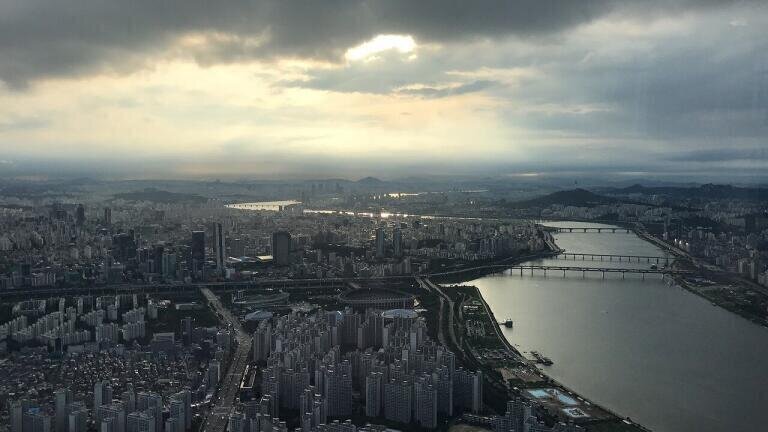
South Korea joined the ranks of the world’s most polluted countries back in 2016. With the country’s pollution levels on the rise, as well as having a population more than ten times the global average, their government have started to put plans in place to reduce the amount of pollution before the negative effects become irreversible.
So, who is to blame?
The industrial development of South Korea means that its pollution levels are constantly increasing. Between 2005 and 2016, South Korea’s coal-fired power plants increased by a massive 95%. As just under half of country’s energy is generated through fossil fuels, carbon dioxide emissions and smog are constantly being pumped out into the atmosphere. Worldwide, this industrial development has led to an increased need for treatment chemicals which capture mercury.
In 2017 alone 85 ultrafine dust warnings were given, causing the South Korea to spend up to $9 billion in health care and preventative methods. The World Health Organisation has ruled South Korea’s air to be deadly, having drastic effects on respiratory systems, and illness inducing.
The Organisation of Economic Co-operation and Development have suggested that if air pollution rates are to stay this high then 6-9 million people worldwide could die prematurely by 2060. And this isn’t just in South Korea, despite them being one of the worst suffers, this refers to the air pollution seen globally.
Starting on January 5th, 2018, Seoul’s authorities have lifted public transport fees. They are allowing free public transport within the hours of commuting in the hope to reduce the smog and pollution. Free public transport comes after the country’s dangerously high levels of ultra-fine dust.
Over 360 car parks have also been closed and construction work on government-funded projects has been reduced. By reducing the amount of car parking available and making public transport free, there will be a reduction in single occupied cars.
With public transport suggested to use a staggering 23.7% less energy than cars (per passenger), this plan will hopefully give Seoul the reduction in pollution it needs.


 Product directory
















_shutterstock_2296088597.jpg)