Waste management
Published over 14 years ago. See the latest and most current information on Waste management.
Four million litres of sewage are being plummeted into rivers around London and the South East because plumbers are connecting pipes incorrectly - causing spillage into the Thames.
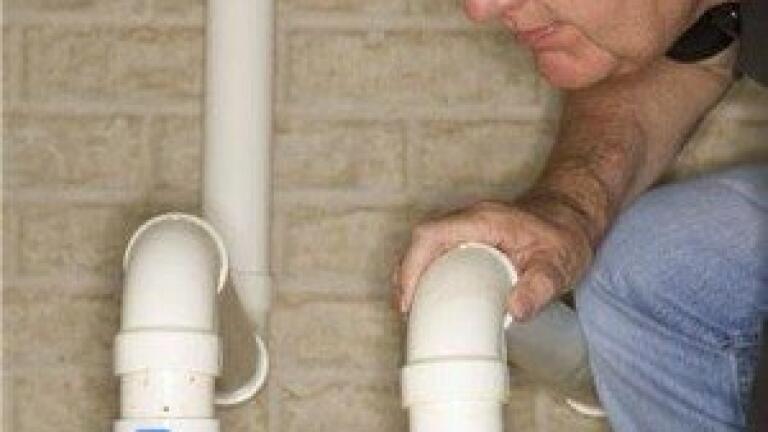
Household and business drains should be connected to the foul water system. This pipe leads to an area where the water is treated and the sewage is removed.
Rainwater is meant to go through the surface water drain - where it can enter local rivers for public use as well as for the use of wildlife.
Instead, many plumbers are connecting household and business drains to the surface water drain. This means that untreated sewage is being pumped directly into local rivers instead of rainwater.
Waste from dishwashers, washing machines, basins and toilets are going into the Thames.
The effects on the environment are huge, as well as seriously threatening the wildlife that either live in the river or drink from it.
At the moment, one in ten households is affected.
Thames Water wants a change in the law to allow it to have powers to ensure that households rectify the problem if they are one of the houses affected.
The current system outlines that local councils are responsible for making sure homeowners fix the problem, but Thames Water believes that not enough is being done.
In order to tackle water pollution, as well as cutting down on costs, Thames Water wants to take immediate and full control.
A draft water bill submitted by Thames Water outlines its aims.
"Granting companies these powers, in addition to local authorities, would make the resolution of misconnections potentially more efficient for local authorities, companies and customers," it says.
"It would represent a minor regulatory change for a significant environmental benefit."
It believes that under the current system, the local council is often too slow to act, or simply do not act at all. Thames Water believes that local councils "are not incentivised or always resourced to give it the priority it warrants".
 Product directory


















-from-Chesterton-House-Farm,-with-Giles-Russell-from-Midland-Slurry-Systems.jpg)





.jpg)

.jpg)