Soil remediation
Published over 11 years ago. See the latest and most current information on Soil remediation.
James Dodgson, chair of ESG's internal working group on asbestos in soils, argues that it's time clear up the confusion over what constitutes safe levels of asbestos in soils.
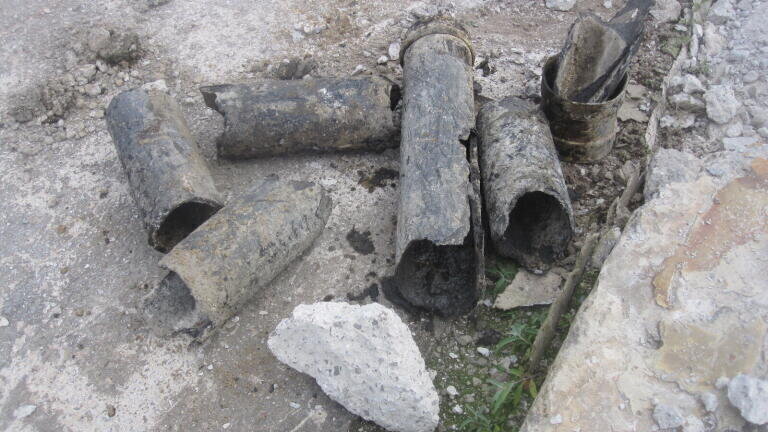
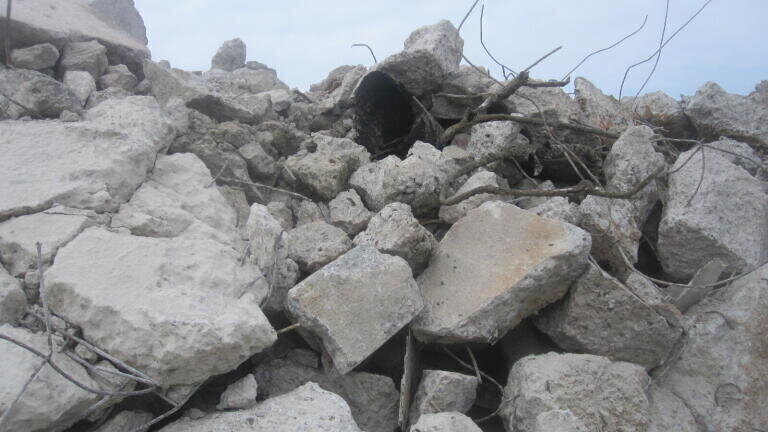
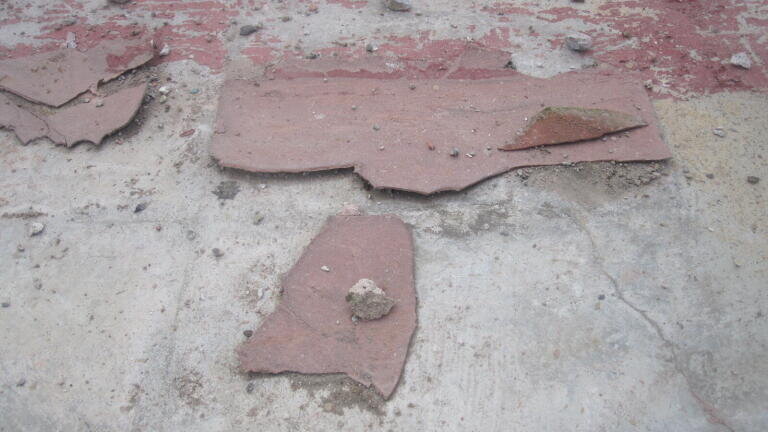
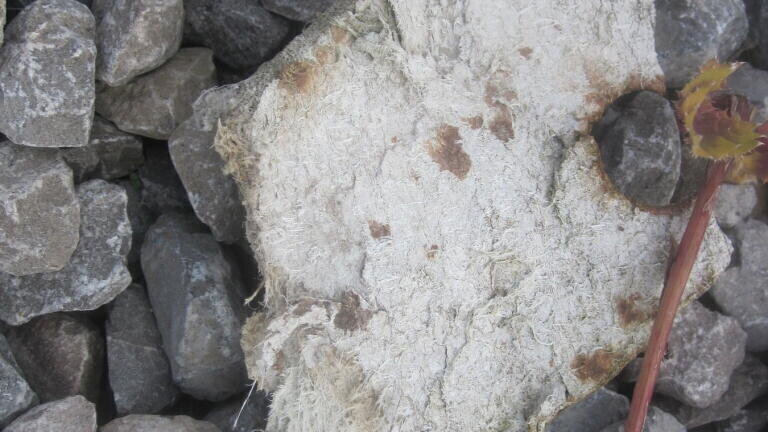
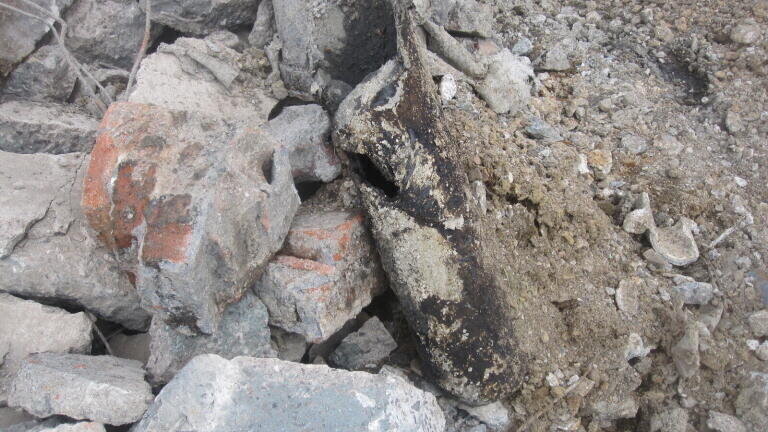
"The dangers of asbestos in air have been understood for decades, but it has only been over the last few years that awareness has grown in the construction industry of the risk posed to both the well-being of workers on site and future residents of asbestos in soil. As a result, there has been a significant surge in the last 12 months in developers requesting pre-emptive testing of soil samples to determine whether asbestos remediation work is required for their site. At ESG, for example, we witnessed a 25 per cent increase in enquiries in the first three quarters of 2014 compared with the same period in 2013. Moreover, in the first half of 2014 alone, we found that as much as 55 per cent of the soil samples we tested contained levels of asbestos, which could potentially pose a threat to human health if it was released into the air.
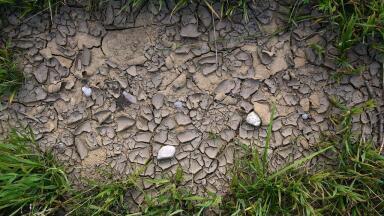
"A recent assertion by the Construction Industry Research Information Association (CIRIA) though, has raised questions in the industry over what exactly constitutes safe levels of asbestos in soil. It suggests that the widely used level of 0.001% asbestos fibre in soil is not necessarily suitable in all cases, as it fails to take into account a variety of factors, which could affect the risk posed, such as the range of soil types in the UK and their differing compositions. For example, dry, loosely-packed sandy soils could release more asbestos fibres when disturbed than wet clays - an issue which, if not taken into account during the testing and remediation stages of a development project, could lead to unsafe airborne asbestos levels on site.
"However, while CIRIA can raise the issue, it is not in a position to amend official guidance and regulation as to what can be considered safe levels of asbestos in different types of soils. As a result, many are unsure how to assess and manage the risk. While we await formal regulatory guidance, some of which is expected during 2015, ESG is working with CIRIA to support the development of a site handbook for contractors to offer some best practice advice.
"Until an updated, comprehensive regulatory framework for asbestos levels in soil is put in place the construction industry will struggle to ensure it is truly operating to the highest possible safety standards, and minimising the effect of asbestos on public health and well-being."


 Product directory